
Titan Rush
RATING GAMEStrategy
4.5911.00 Reviews
- Version
- 4.11.0
- Installs
- 1.00M
- Age Rating
- Teen
Screenshots
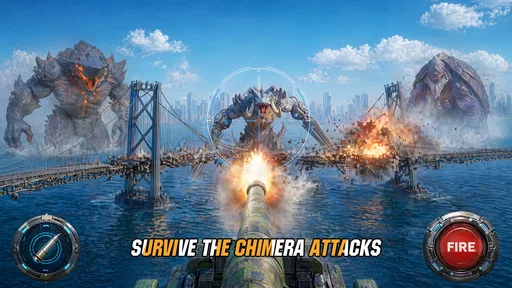
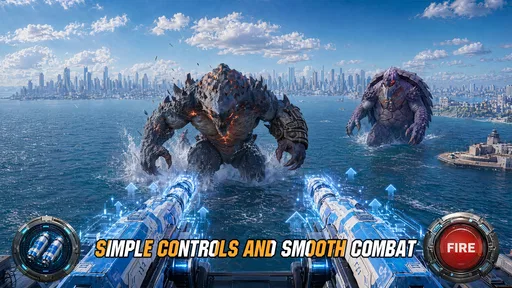
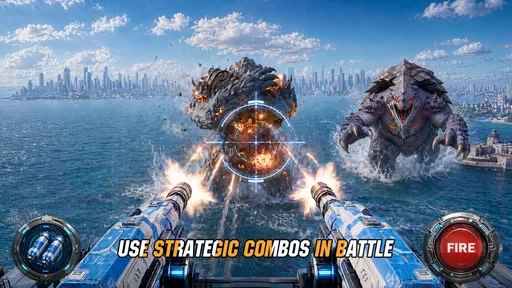
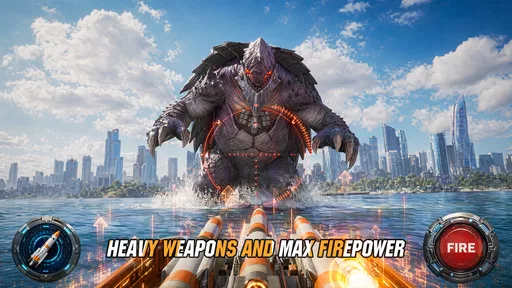
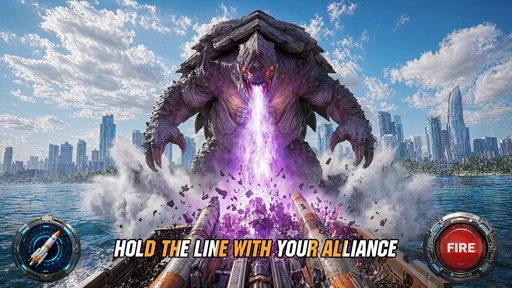
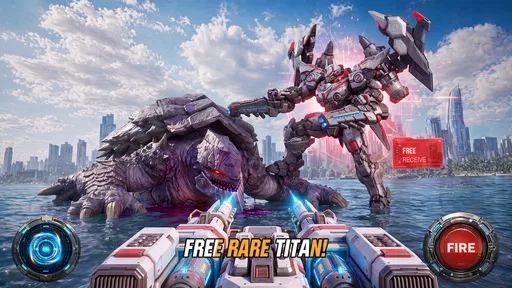
Our Review of Titan Rush
 Analysis by Appyee
Titan Rush is a strategy game that asks a simple question: how quickly can you make a good decision when the situation refuses to stay still? I spent time with it as the kind of player who enjoys planning, but does not want every session to feel like homework. My overall impression is positive: it is easy to approach, has enough tactical tension to keep a short session interesting, and feels more suitable for people who like making choices under pressure than for players looking for a slow, deeply simulated strategy experience.
The game comes from RATING GAME and is free to download, which makes trying it fairly straightforward. Its public reception is also encouraging, with a 4.7 average from around 26 thousand ratings and more than a million installs. Those figures do not replace personal taste, of course, but they suggest that the basic formula has connected with a broad audience. The Teen content rating is worth keeping in mind for families, while the optional purchases, ranging from $0.99 to $199.99 per item, make it important to decide early how much you want to spend.
How I Decide Whether Titan Rush Fits
My first test for a strategy game is not how impressive its opening screen looks. I want to know whether the decisions matter, whether a short mistake ruins the whole experience, and whether the game gives me a reason to return without turning progress into a chore. Titan Rush works best when I treat it as a focused decision-making game rather than as a complete replacement for a large PC-style strategy title.
The central appeal is the feeling of responding to changing pressure. Even when I begin with a reasonable plan, I have to stay alert and adjust instead of following a fixed sequence. That makes the game a good match for players who enjoy weighing risk, choosing when to push forward, and accepting that a cautious approach is not always the winning one. The store summary, “The tides may recede, but we will never retreat,” captures that determined mood without explaining the experience too literally.
I also judge mobile strategy games by how well they fit into ordinary life. Titan Rush is more convincing when played in a few deliberate bursts than when I expect it to provide an endless, all-day campaign. If I have a short break and want something more involving than a reflex game, it gives me a useful mental reset. I can make a plan, see the consequences, and stop before the session becomes a second job.
That convenience comes with a trade-off. Players who want a rich story, a huge world to explore, or a long list of systems to master may find the experience narrower than expected. The game’s strength is its concentration: it puts attention on strategic choices rather than trying to be every type of mobile game at once. Whether that feels focused or limited depends on what you normally play.
The right mindset for the first sessions
I recommend approaching the opening sessions as practice in reading situations, not as a race to prove that you already understand everything. A common mistake is to spend every available option immediately because an early advantage looks attractive. I found it more useful to preserve flexibility and watch how the situation develops. In a strategy game built around pressure, having one useful response left can be more valuable than gaining a little extra ground too soon.
A second practical tip is to separate a bad result from a bad plan. Sometimes a sensible decision produces an unfavorable outcome, and sometimes a flashy success hides a weak habit that will fail later. I try to remember what I was attempting before judging the result. That small change makes it easier to improve rather than simply repeating the same aggressive move whenever I feel uncertain.
Another useful habit is to play with a clear purpose. I might begin one session by testing a safer approach, then use the next to see how far I can press an advantage. Without that intention, it is easy to drift into spending resources or making moves simply because they are available. Titan Rush rewards attention, so a little self-discipline makes the game feel more strategic.
Where the game earns its place
The strongest part of Titan Rush is its ability to turn a compact mobile session into a small argument with yourself. I am often balancing immediate progress against the possibility that a better opportunity will appear later. That tension is more satisfying than simply tapping through a sequence of obvious upgrades or actions.
It also has a useful middle position between very casual games and demanding strategy products. I do not need the patience required by a long simulation to enjoy a meaningful decision, but I still have to pay attention. For a commuter, a student between tasks, or someone taking a short evening break, that balance is practical. The game can occupy the mind without requiring a full uninterrupted afternoon.
The developer’s choice to keep the title free also lowers the barrier to experimentation. I can try the basic experience before deciding whether it deserves regular space on my phone. That matters in a crowded strategy category, where screenshots and short descriptions often make very different games look similar.
Its current version is 4.3.0, and the game supports devices running Android 7.0 or later. That broad compatibility is helpful for people who do not use a recent phone. Still, compatibility is not the same as identical comfort on every device. On an older handset, I would keep expectations realistic and pay attention to how smoothly the game responds during longer sessions.
Small decisions that improve the experience
One of the less obvious ways to enjoy Titan Rush is to stop treating every session as a test of maximum progress. If I focus only on winning quickly, I tend to choose familiar actions and learn less. When I instead use a session to examine one decision—such as whether patience or pressure serves me better—the game becomes more informative. This approach is especially useful after a disappointing result.
I also suggest resisting the urge to make purchases simply because progress feels slower at a particular moment. The available in-app items cover a very wide spending range, with the highest listed price reaching $199.99. That does not mean every player will spend anything, but it does mean I would set a personal limit before getting invested. A free entry point is valuable only if the player remains in control of the cost.
For younger players, the Teen rating should be part of the decision rather than an afterthought. Parents may want to review the game’s tone and purchase settings together with the child. The same advice applies to anyone who shares a device or payment method: a few minutes of preparation can prevent an unwanted purchase and make the experience less stressful.
How It Compares With Other Strategy Choices
When I compare Titan Rush with alternatives, I do not start by asking which game is universally better. I ask what kind of strategic satisfaction I want. Large empire-building games are usually better for players who enjoy long-term development, extensive menus, and a sense of ownership over a growing world. Titan Rush is the more sensible choice when I want the decision itself to stay in the foreground.
Turn-based strategy games may suit someone who wants unlimited time to inspect every option. They can be excellent for careful planners who dislike pressure. Titan Rush is more appealing when I want urgency to influence my choices. That urgency can make a successful decision feel more rewarding, but it can also frustrate players who prefer to analyze without feeling pushed.
Real-time strategy alternatives often emphasize constant activity and rapid reactions. If your favorite part of the category is controlling several things at once, another game may provide a fuller experience. I would choose Titan Rush when I want a more contained challenge, where the focus is on selecting a direction and adapting rather than managing a sprawling battlefield.
There is also a difference between strategic games and puzzle games that happen to include planning. Puzzle titles generally present a tightly defined problem with a correct or near-correct solution. Titan Rush feels more comfortable for players who enjoy trade-offs and imperfect choices. I do not always have the luxury of finding the one perfect answer; I have to decide which risk I can live with.
That distinction helps answer an important question: who should skip it? I would look elsewhere if you need a strong narrative, dislike repeated decision-making, or want a completely predictable experience. I would also be cautious if optional purchases make it difficult for you to enjoy a free-to-play game comfortably. A paid game with a clearer cost may be a better fit for that kind of player, even if it offers fewer short-term attractions.
What switching to Titan Rush really involves
Moving from another strategy game is not only a matter of downloading a new title. The bigger adjustment is learning what the game expects me to value. A player coming from a slow builder may initially push too hard, while someone used to fast action may overlook the benefit of waiting. I would give the game several sessions before deciding whether its rhythm works for me.
There is also a learning cost in changing habits. If I am accustomed to a game with extensive customization or a large number of visible systems, Titan Rush may appear restrained. That restraint can be refreshing, but it means the reward comes less from managing a huge collection of details and more from understanding the choices that are already in front of me.
The financial side of switching deserves equal attention. Because the game is free, the initial commitment is low. The more important question is whether I can enjoy it without feeling pressured by optional items. I would begin without spending, learn the basic rhythm, and only consider a purchase after I knew that I genuinely wanted to continue. That workflow protects the main advantage of the free model.
Device age can affect the decision too. Android 7.0 support makes the entry requirement approachable, but anyone using older hardware should still think about storage, battery behavior, and general responsiveness in everyday use. I would test it during a normal break rather than assuming that a game comfortable on one phone will feel identical on another.
A realistic everyday use case
Imagine finishing lunch with ten minutes before the next task. I would open Titan Rush with one goal: make a few deliberate decisions, not chase an entire evening of progress. I would review the situation, choose whether to preserve options or apply pressure, and stop once I had learned something from the result. That makes the game fit naturally into a short break.
On a longer evening, I might use several sessions to compare approaches. The important point is that I would not play it passively while watching something else. The game is more enjoyable when I give it enough attention to understand why a choice worked or failed. If you want background entertainment that can be played almost automatically, this is probably the wrong category of game for you.
My recommendation
I recommend Titan Rush to mobile players who want a free strategy game centered on pressure, adaptation, and compact decision-making. Its 4.7 average and audience of over a million installs make it easy to justify a trial, while the Teen rating and optional purchases give parents and budget-conscious players sensible reasons to check their settings first. RATING GAME has made a title that is approachable without being completely mindless.
My recommendation is more cautious for dedicated strategy fans. If your ideal game is a deep civilization simulator, a story-heavy campaign, or a precise turn-based puzzle with unlimited planning time, you may be happier elsewhere. Titan Rush does not need to replace those experiences. It works better as a focused alternative for moments when I want meaningful choices without committing to a massive system.
The best way to decide is to start slowly. Play without spending, notice whether the pressure makes decisions exciting or irritating, and judge the game by how much thought you bring to each session. If you enjoy learning from imperfect choices, the game has a good chance of becoming a reliable part of your mobile rotation. If you prefer guaranteed outcomes or zero purchase temptation, choose a different strategy format instead.
After using it with that expectation, I see Titan Rush as a solid, focused recommendation rather than an all-purpose strategy solution. It earns attention by making short sessions feel purposeful, and it stays honest about its limits when compared with larger alternatives. If you want a mobile strategy game that rewards adaptation more than endless management, Titan Rush is worth trying for free before you decide how far to take it.
Privacy and Permissions
See what permissions an app requests and how it handles your data.
- Calendar
- read calendar events plus confidential information, add or modify calendar events and send email to guests without owners' knowledge
- Phone
- read phone status and identity
- Photos/Media/Files
- read the contents of your USB storage, modify or delete the contents of your USB storage
- Storage
- read the contents of your USB storage, modify or delete the contents of your USB storage
- Camera
- take pictures and videos
- Microphone
- record audio
- Wi-Fi connection information
- view Wi-Fi connections
- Device ID & call information
- read phone status and identity
- Other
- view network connections, change system display settings, change network connectivity, connect and disconnect from Wi-Fi, full network access, change your audio settings, control vibration, prevent device from sleeping, modify system settings
Verdict
Strengths of Titan Rush
- Fast-paced matches are easy to start and keep the action moving.
- Simple controls make the game accessible to casual players.
- Bright visuals give the arenas a lively, energetic feel.
- Short rounds fit well into quick gaming sessions.
- Unlockable content provides extra goals beyond the initial matches.
Limitations of Titan Rush
- Progress can feel repetitive once the early stages are completed.
- Some upgrades may require considerable time or repeated play.
- The small-screen action can become visually crowded during battles.
- Online-focused features may be less enjoyable with an unstable connection.
- Device performance may vary, especially on older phones.
Similar Picks in This Category
View All
Clash of Clans
Supercell4.5

Plants vs. Zombies™
ELECTRONIC ARTS3.7

Lords Mobile: Kingdom Wars
IGG.COM4.5

Clash Royale
Supercell4.4

State.io — Conquer the World
CASUAL AZUR GAMES4.1

Car Driving School : Car Games
Spark Game Studios3.9
Frequently Asked Questions
What is Titan Rush, and how does the gameplay work?
Titan Rush is an action-focused mobile game built around fast battles, progression, and increasingly difficult challenges. After installing it, players generally move through combat encounters, improve their character or available abilities, and unlock stronger content as they advance. The exact experience may vary by version and device, so it is worth checking the current store description for the latest modes, objectives, and supported features before downloading.
Is Titan Rush free to download and play?
Titan Rush can typically be downloaded without an upfront purchase, but free access does not always mean that every feature is completely free. Depending on the current release, the game may include optional in-app purchases, advertisements, energy systems, cosmetic items, upgrades, or other progression-related offers. I recommend reviewing the Google Play or App Store listing and your device’s purchase settings before beginning, especially if children use the device.
Does Titan Rush require an internet connection?
Whether Titan Rush works fully offline depends on the version and the features being used. Basic gameplay may be available without a constant connection, while advertisements, cloud saves, account synchronization, events, rankings, updates, or purchases may require internet access. Before traveling or playing with limited data, test the game in airplane mode and confirm whether your progress and essential modes remain available offline.
Is Titan Rush suitable for children and younger players?
Titan Rush’s suitability depends on its official age rating, visual style, combat intensity, advertising, and purchase options. Parents should check the current rating on the relevant app store rather than relying only on screenshots or promotional descriptions. If the game includes battles, frequent offers, or online features, parental controls and purchase restrictions are advisable. Privacy permissions and data-collection information should also be reviewed before installation.
What devices are compatible with Titan Rush, and how much storage is needed?
Compatibility can change as Titan Rush receives updates, so the most reliable information is shown on the official Google Play or App Store page for your device. Check the required Android or iOS version, developer support, and available storage before downloading. It is sensible to keep extra free space beyond the listed download size because installation files, updates, cached content, and saved game data may require additional room.
Play our best games!


